

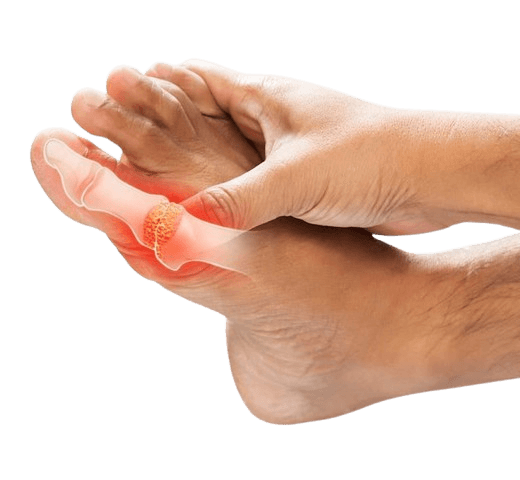
Gout is caused by uric acid crystals depositing in joints, often the big toe, ankle, or knee. Flares are intensely painful and can last days to weeks. In Nepal, festivals, social drinking, rich meals, and dehydration are common triggers — understanding them helps prevent recurrence.
Diet and drinks that raise risk
- Red meat, organ meats, and certain seafood
- Excess alcohol, especially beer and spirits
- Sweetened beverages and high-fructose foods
- Large portions of lentils and some pulses during acute flares
- Dehydration in hot weather or after illness
Prevention strategies that work
Drink adequate water throughout the day. Maintain a healthy weight gradually — crash dieting can paradoxically trigger flares. Limit alcohol during celebrations and alternate alcoholic drinks with water. If you have had more than one attack, discuss long-term urate-lowering therapy with a rheumatologist — intermittent painkillers alone do not prevent joint damage.
A single gout attack is a warning sign. Repeated flares can lead to chronic arthritis and kidney stones.
When to seek care urgently
Hot, red, exquisitely painful joints need prompt evaluation to rule out infection. RAC Nepal provides uric acid monitoring, flare treatment plans, and education tailored to Nepali dietary patterns — so patients can enjoy cultural meals with sensible limits and protect their joints for the long term.