
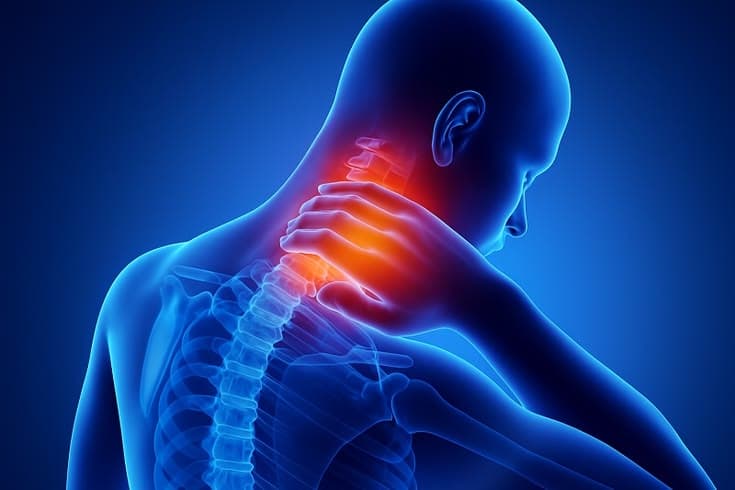
Knee pain is one of the most common reasons patients visit RAC Nepal. Causes range from osteoarthritis and meniscal injury to inflammatory arthritis, gout, and bursitis. Effective relief starts with the right diagnosis — not every painful knee needs surgery, and not every knee improves with rest alone.
Common causes in Nepal
- Osteoarthritis from age, weight, or prior injury
- Rheumatoid or other inflammatory arthritis
- Gout affecting the knee, especially in men
- Ligament or meniscus injury after sports or falls
- Overuse from stairs, squatting, or farm work
Practical relief strategies
Short-term rest during acute flares can help, but prolonged inactivity weakens supporting muscles and worsens stiffness. Low-impact strengthening — straight-leg raises, sit-to-stand practice, and guided physiotherapy — often provides more durable benefit than repeated injections alone. Weight loss, when appropriate, reduces load across the joint with every step.
Footwear matters on Kathmandu’s uneven pavements. Patients who climb many stairs daily benefit from pacing, using handrails, and alternating demanding tasks. Cold packs can calm acute swelling; warmth may ease morning stiffness in osteoarthritis.
Seek specialist care if the knee is hot, markedly swollen, locked, or unable to bear weight — or if pain persists beyond a few weeks despite sensible self-care.
When treatment goes further
Rheumatologists may recommend anti-inflammatory medicines, disease-modifying drugs for inflammatory arthritis, joint injections, or referral for surgical opinion when structural damage is advanced. The goal is stable, confident movement — whether that means returning to temple visits, office work, or family responsibilities without constant fear of the next painful step.