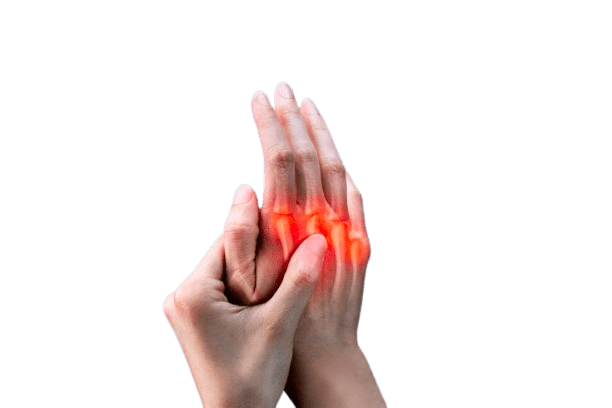

World Arthritis Day reminds us that arthritis is not a single disease — it includes osteoarthritis, rheumatoid arthritis, gout, ankylosing spondylitis, lupus-related joint disease, and many other conditions. In Nepal, joint pain is often dismissed as a normal part of ageing. Informed choices about when to seek care, how to use medicines safely, and how to protect joints every day can significantly improve long-term outcomes.
Why early diagnosis matters
Inflammatory arthritis, especially rheumatoid arthritis, causes the most joint damage in the first months to years of disease. Starting disease-modifying treatment early helps preserve function, reduce pain, and lower the risk of disability. A rheumatologist can distinguish inflammatory arthritis from mechanical wear-and-tear and order the right blood tests and imaging.
- Morning stiffness lasting more than 30 minutes
- Swelling in multiple joints, especially hands and feet
- Symptoms that improve with activity but worsen with rest
- Unexplained fatigue alongside joint pain
Building better daily habits
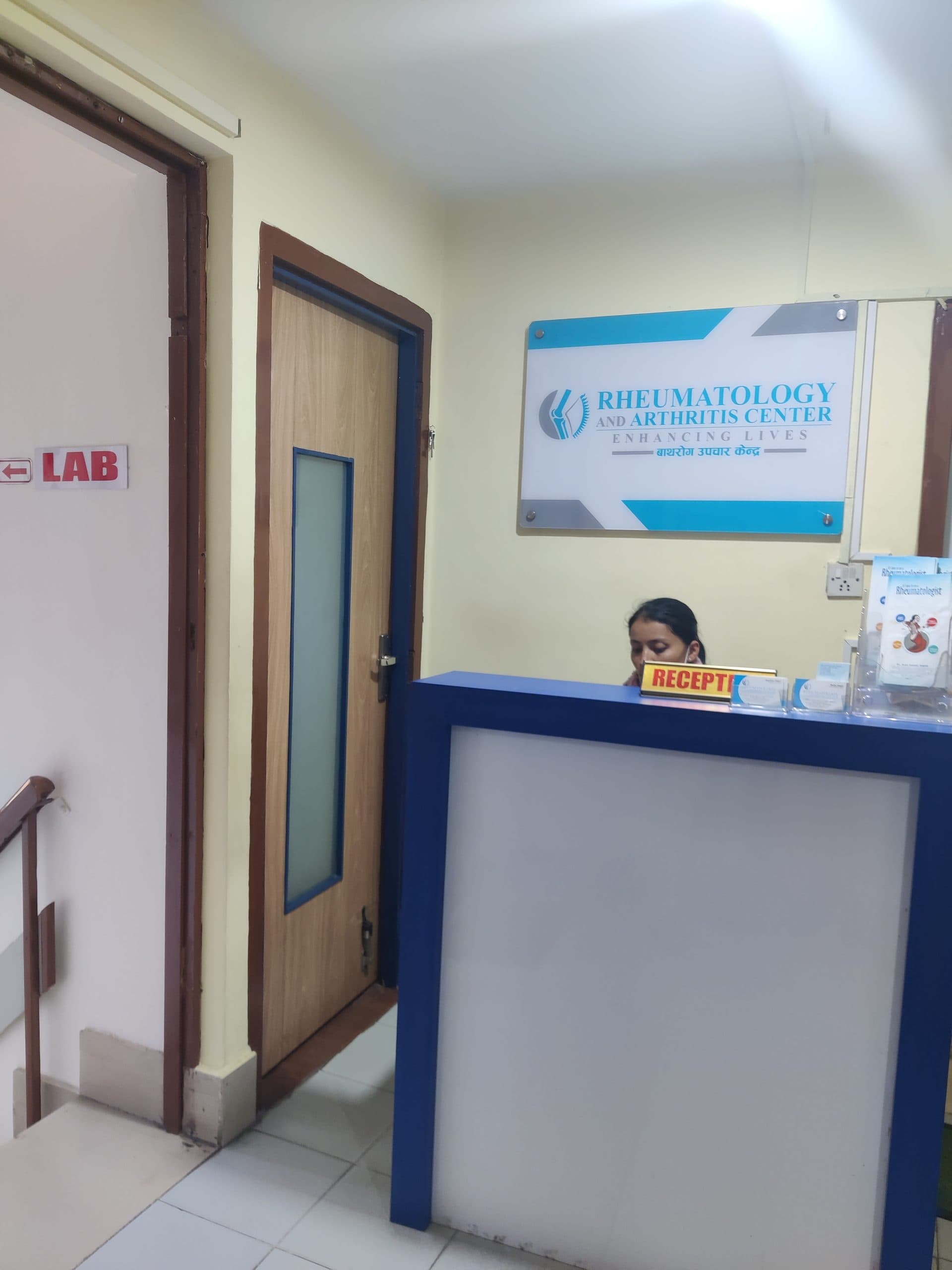
Medication is only one part of care. Weight management, joint-friendly exercise, adequate sleep, and smoking cessation all support treatment response. Patients at RAC Nepal receive education on pacing activities, protecting painful joints during household and farm work, and knowing when a flare needs medical review rather than simply waiting it out.
If joint pain is limiting your work, sleep, or independence, specialist evaluation is worthwhile — even if symptoms have been present for years.
Working with your care team
Better outcomes come from partnership: attending follow-up visits, reporting side effects honestly, and asking questions about goals of treatment. World Arthritis Day is an opportunity to replace fear and misinformation with a clear plan — one that fits your life in Nepal and keeps you as active as possible for as long as possible.