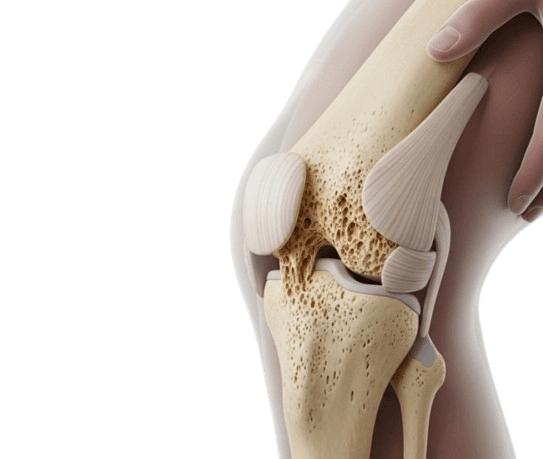


Rheumatoid arthritis (RA) is a chronic autoimmune disease that attacks the lining of joints and can affect other organs. Without treatment, it leads to deformity, disability, and reduced life expectancy. Modern rheumatology offers highly effective therapies — but outcomes depend on early referral and consistent follow-up.
How RA is diagnosed
Diagnosis combines symptom pattern, physical examination, blood tests such as rheumatoid factor and anti-CCP antibodies, inflammatory markers (ESR, CRP), and sometimes ultrasound or X-ray. Symmetric small-joint swelling, prolonged morning stiffness, and elevated inflammation support the diagnosis. Waiting until joints are permanently damaged makes treatment harder.
Treatment options available in Nepal
- Disease-modifying antirheumatic drugs (DMARDs) such as methotrexate
- Short-term corticosteroids during flares
- Biologic therapies when conventional DMARDs are insufficient
- Pain management and physiotherapy for function
- Regular monitoring for medication safety
The aim of RA treatment is remission or low disease activity — not merely coping with pain.
Living well with RA
Patients should attend scheduled blood tests, report infections promptly, and avoid stopping medicines without medical advice. Vaccinations, dental care, and bone health assessment are part of long-term planning. At RAC Nepal, we tailor regimens to each patient’s disease severity, comorbidities, and daily responsibilities — because successful RA care is a marathon, not a one-time prescription.