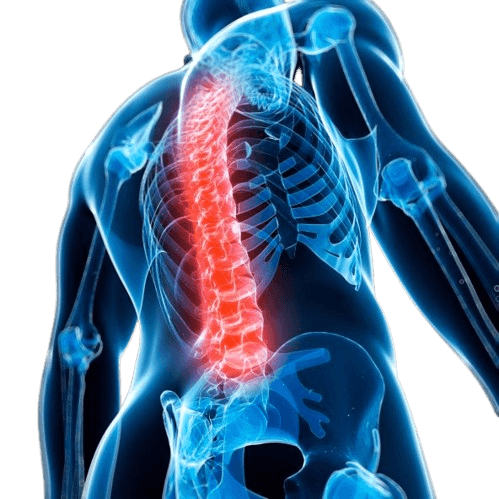

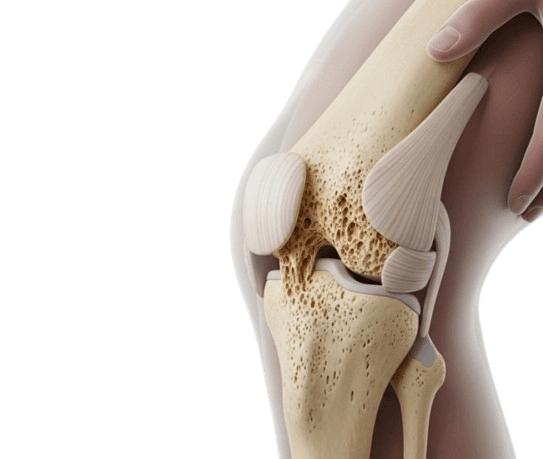
Osteoporosis weakens bones and increases fracture risk — often silently until a fall causes a wrist, hip, or spine injury. After age 50, especially in postmenopausal women and men with low body weight or steroid use, screening becomes essential. In Nepal, vitamin D deficiency and limited awareness contribute to underdiagnosis.
Who should be screened
- Women aged 65 and older, or younger with risk factors
- Men aged 70 and older
- Anyone with prior low-trauma fracture
- Long-term steroid users
- Patients with rheumatoid arthritis or untreated hyperthyroidism
Protecting bone health
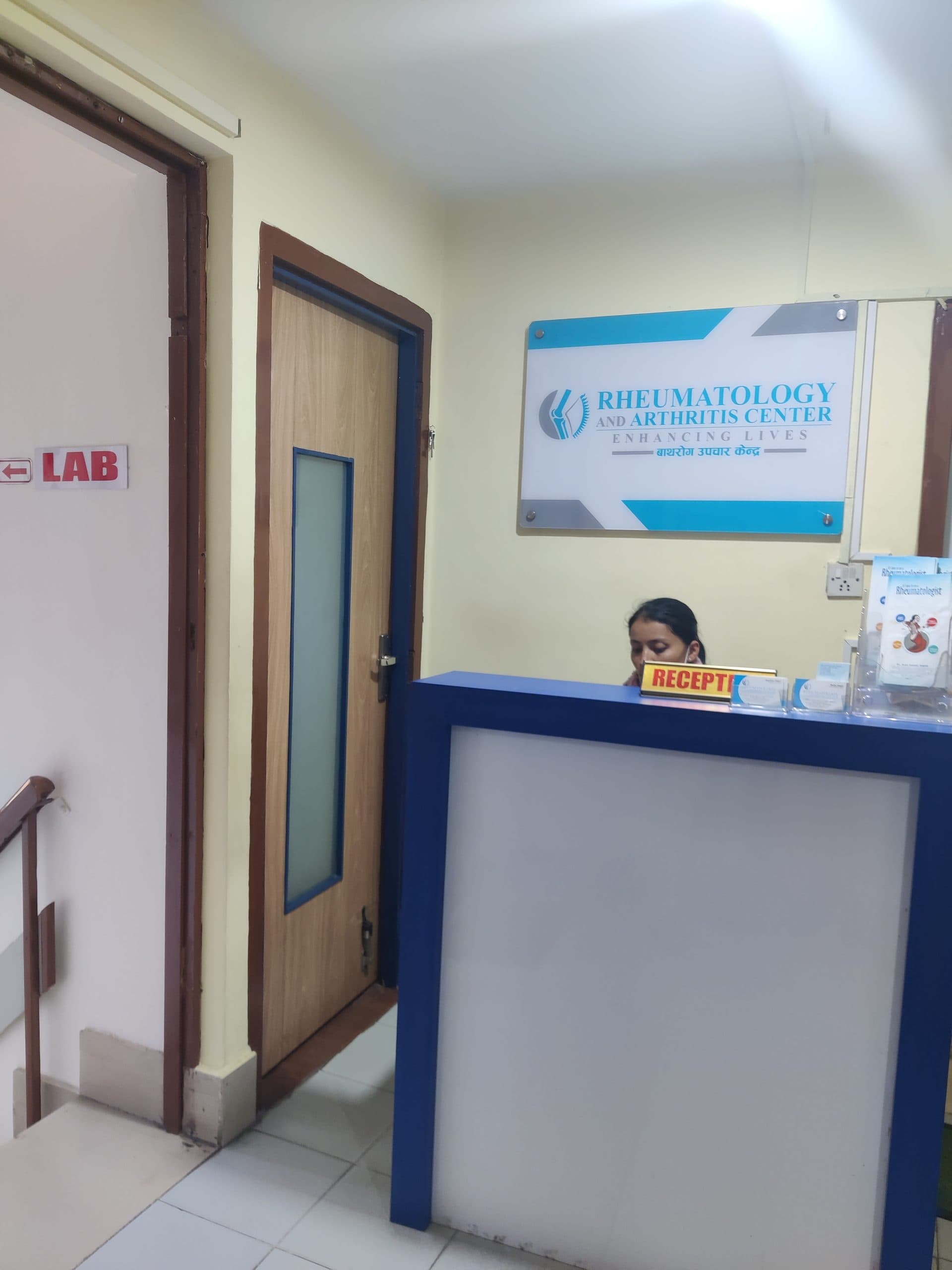
Adequate calcium from food or supplements, vitamin D as advised by your doctor, weight-bearing exercise, and fall prevention at home (good lighting, railings, non-slip footwear) all matter. Smoking and heavy alcohol harm bone density. Rheumatologists at RAC Nepal interpret DEXA scans and prescribe bisphosphonates or other therapies when indicated.
A fracture from standing-height or less is often the first sign of osteoporosis — do not wait for back pain alone.
Bone health is part of comprehensive rheumatology care. Treating osteoporosis early preserves independence and reduces the heavy personal and family burden of hip fracture recovery.