
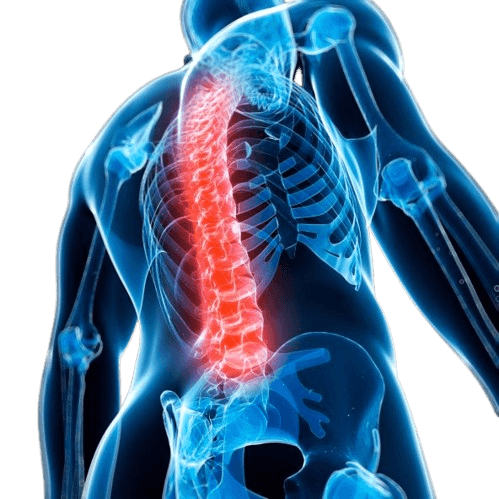
Ankylosing spondylitis (AS) is a form of inflammatory arthritis that predominantly affects the spine and sacroiliac joints. It often begins before age 40 — sometimes in the late teens or twenties — and is frequently mislabelled as poor posture, desk work strain, or ‘normal’ back pain.
Clues that suggest AS rather than mechanical pain
- Back pain and stiffness worse in the morning or after rest
- Improvement with exercise, worsening with prolonged sitting
- Onset before age 40 with gradual progression over months
- Alternating buttock pain or heel pain (Achilles enthesitis)
- Family history of AS, psoriasis, or inflammatory bowel disease
Diagnosis and treatment
Evaluation includes history, physical examination, inflammatory markers, HLA-B27 testing where appropriate, and MRI of sacroiliac joints when standard X-rays are normal early in disease. NSAIDs, physiotherapy emphasizing spinal mobility, and biologic therapies for persistent inflammation can prevent fusion and preserve function.
Young adults should not accept years of untreated inflammatory back pain as inevitable.
RAC Nepal rheumatologists help distinguish AS from mechanical causes and build long-term plans that keep young professionals, students, and parents active — without unnecessary delay or repeated ineffective painkiller cycles.